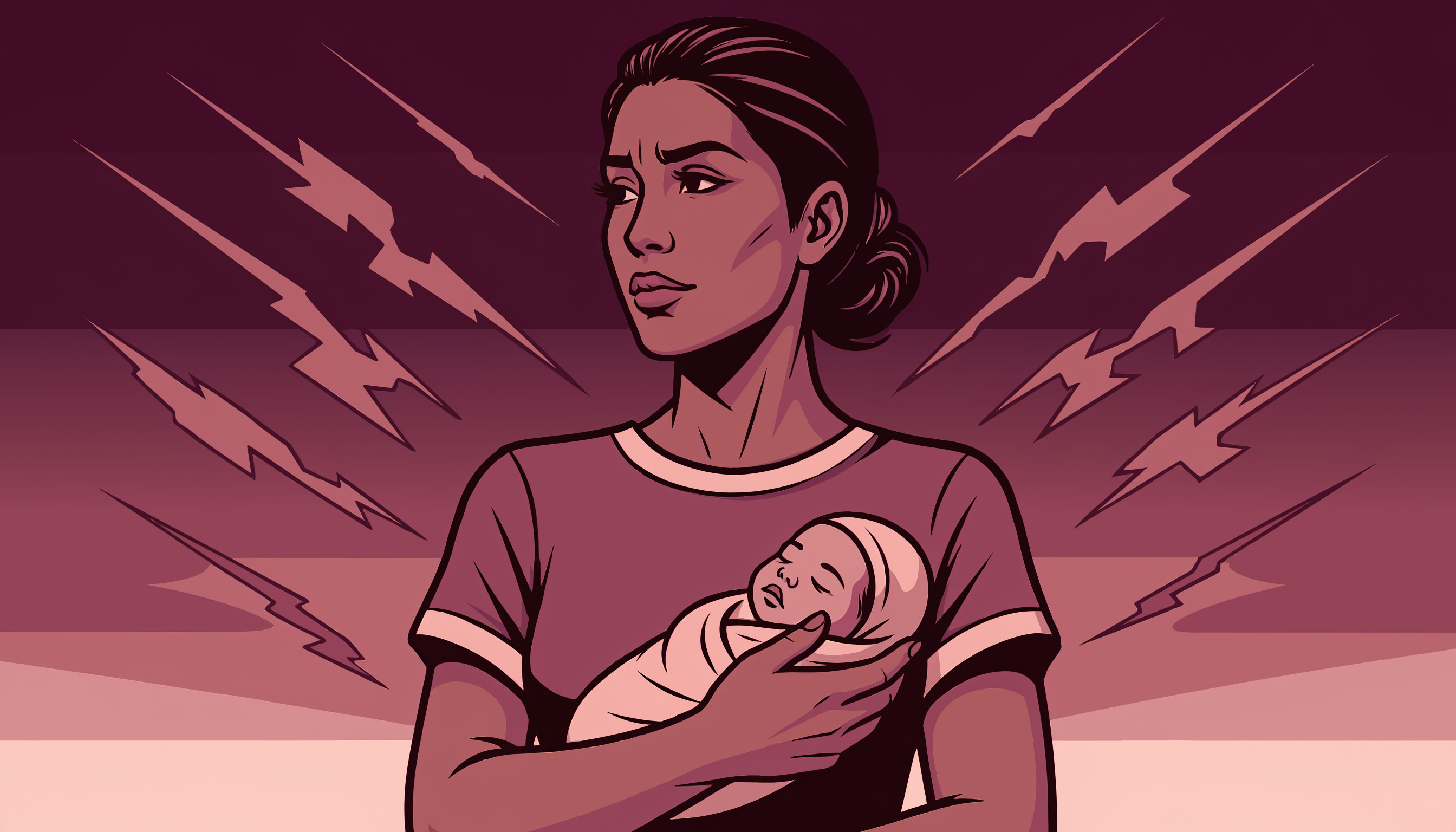
Every year in the United States, roughly 800,000 women experience a perinatal mental health condition — depression, anxiety, PTSD, or psychosis arising during pregnancy or in the first year following birth. The statistic is not new. The science behind it is not new. The system’s failure to address it is also, unfortunately, not new.
The 60-Day Gap
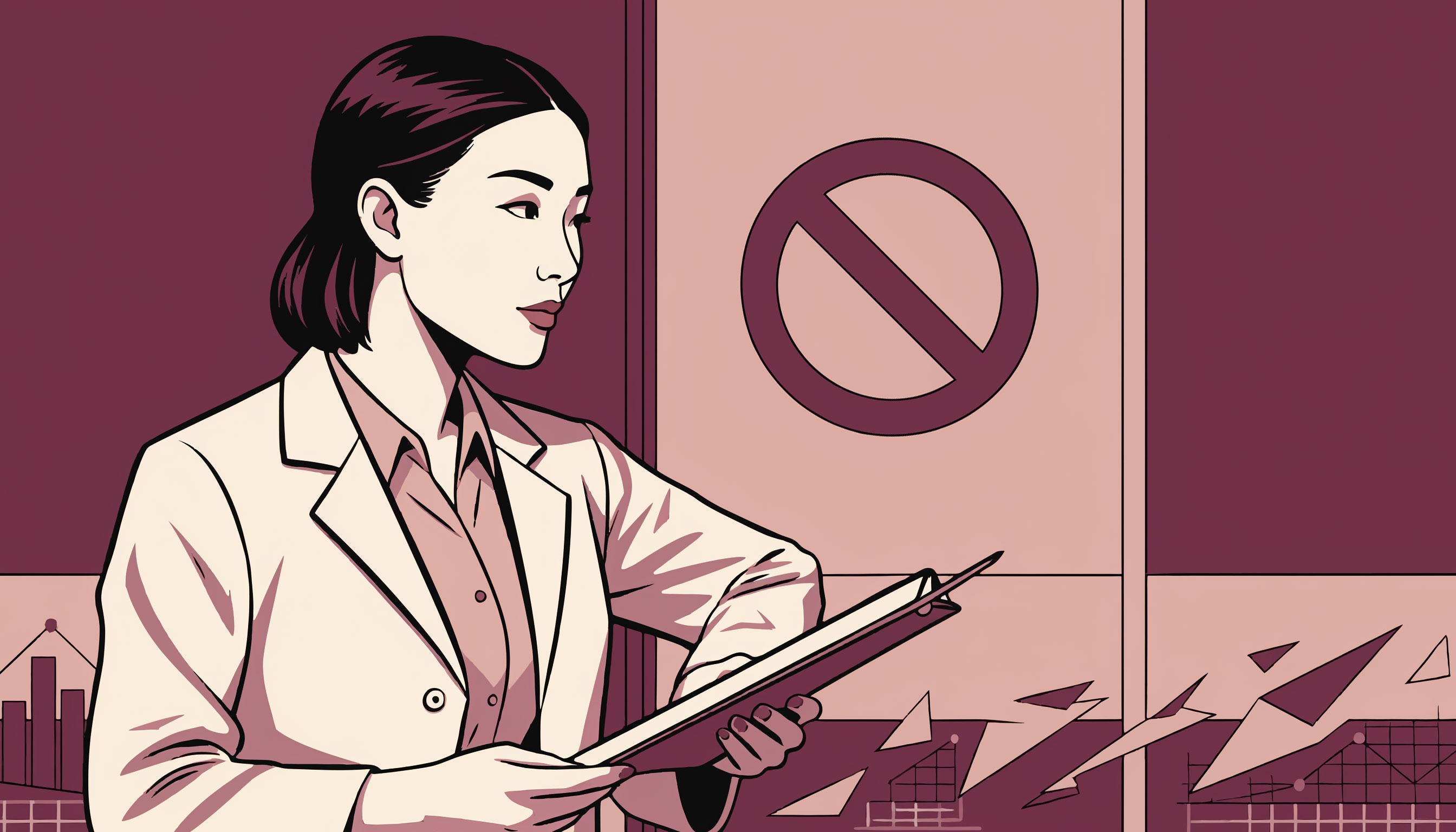
For most women on Medicaid — the payer covering nearly half of all births in the country — postpartum coverage has historically ended at 60 days after delivery. This was not a policy designed with perinatal mental health in mind. Postpartum depression does not resolve in 60 days. Neither does postpartum anxiety, postpartum OCD, or the rarer but life-threatening postpartum psychosis. Many of these conditions peak in the weeks and months after that coverage window closes.
The American Rescue Plan gave states the option to extend Medicaid postpartum coverage to 12 months — a meaningful improvement, though still not universally adopted. The further threat of Medicaid restructuring could reverse even these incremental gains.
Screening Without Infrastructure
The standard of care includes universal screening for postpartum depression at well-baby visits. This is progress. But screening without a clear referral pathway and available treatment is not a system — it is a liability shield. A positive screen means little if the OB has no mental health providers to refer to, the wait for a therapist is three months, and the patient has no transportation or childcare.
Perinatal mental health specialists remain concentrated in urban centers. Rural women, women without insurance, and women without paid parental leave are least likely to access care and most likely to fall through the gap between a positive screen and effective treatment.
The Racial Dimension
Black women experience higher rates of perinatal mood disorders and are significantly less likely to be diagnosed or treated. The reasons are not mysterious: provider implicit bias that dismisses Black women’s reported symptoms, lower rates of insurance coverage, and cultural stigma that intersects with justified distrust of a health care system with a documented history of failing Black maternal patients.
Maternal mental health cannot be addressed in isolation from maternal mortality. They share causes and they share populations.
What Needs to Change
Universal 12-month postpartum Medicaid coverage is a floor, not a ceiling. The workforce pipeline for perinatal mental health providers needs investment. Telehealth has meaningfully expanded access for postpartum mental health care — and that access needs protection. Paid family leave, which does not exist as a federal policy in the United States, is among the most evidence-supported interventions for postpartum mental health outcomes.
We know what this crisis looks like. We know what it costs. What we have not done is decide that it is unacceptable.