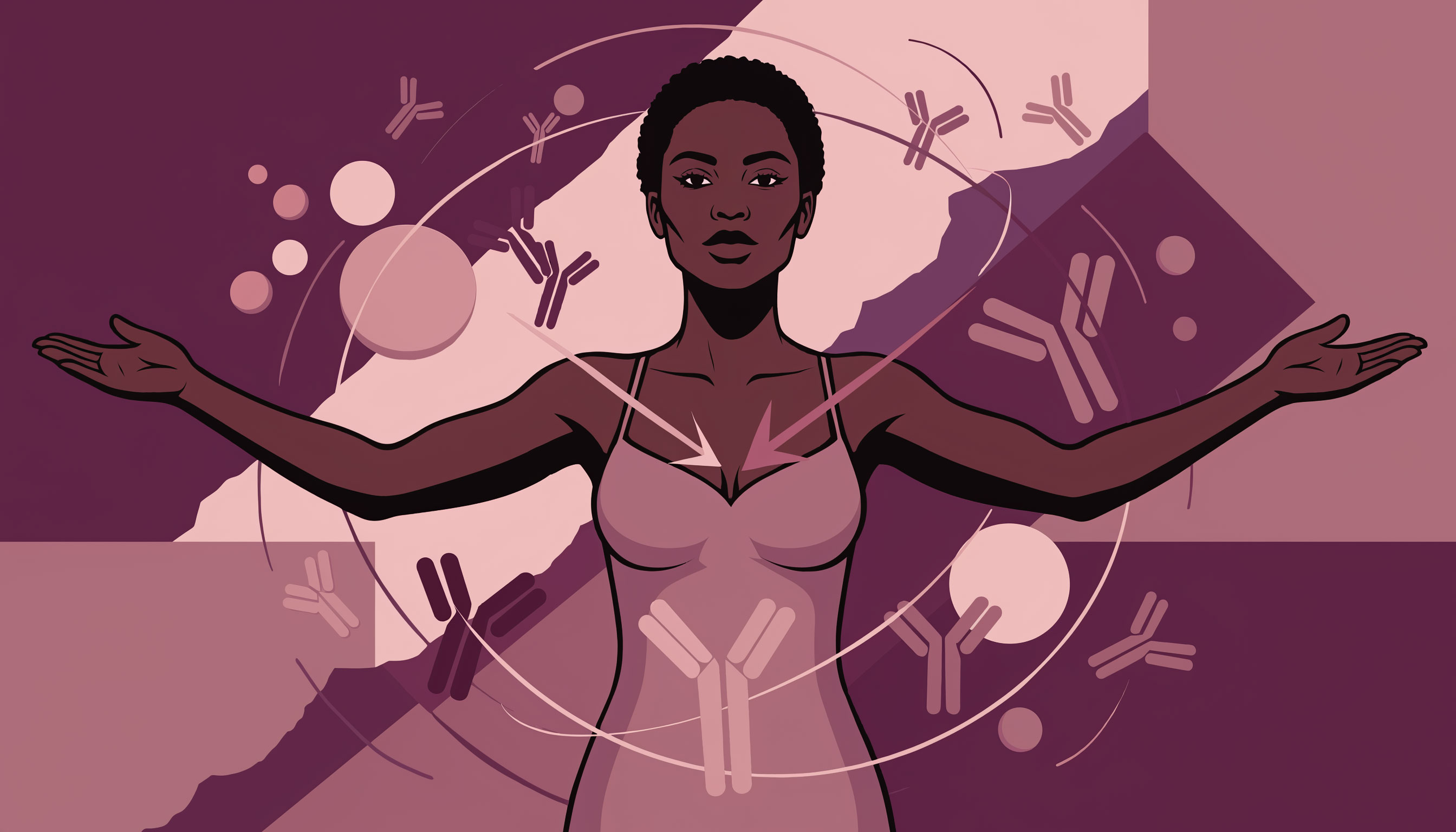
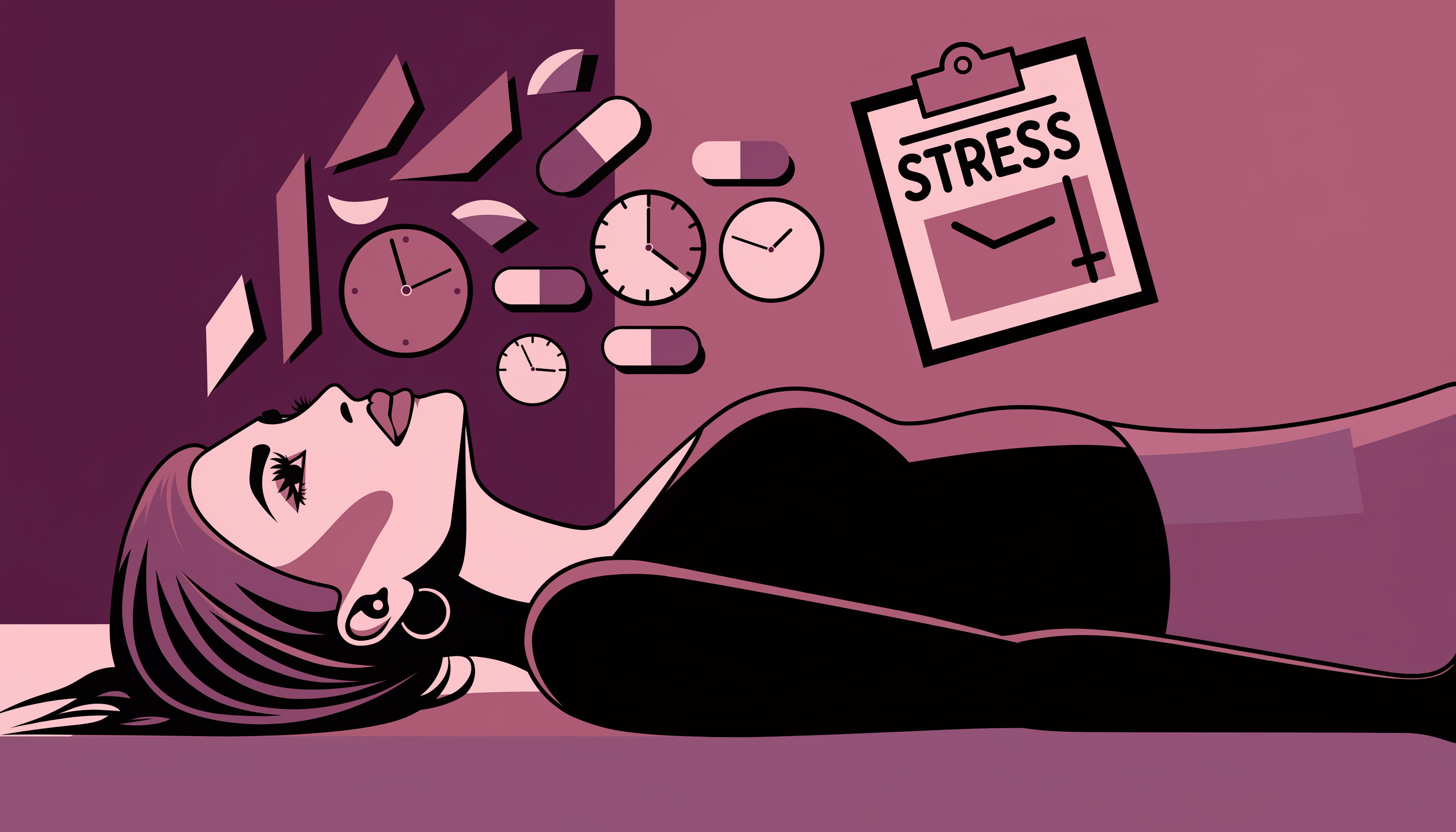
Women are 40% more likely than men to experience insomnia over their lifetime. Women are significantly more likely to have sleep apnea go undiagnosed. Women experience sleep disruptions linked to the menstrual cycle, pregnancy, postpartum, perimenopause, and menopause that are biologically distinct from general stress or anxiety. And when women report sleep problems to their physicians, the most common response is a referral to mental health care or a prescription for anxiolytics — not a sleep disorder evaluation.
This is not incidental. It reflects a pattern of attributing women’s symptoms to psychological causes rather than investigating physiological ones.
Hormones and Sleep Architecture
Progesterone has mild hypnotic effects; its dramatic decline in the second half of the menstrual cycle and during perimenopause is directly associated with disrupted sleep. Estrogen affects thermoregulation and rapid eye movement sleep; its decline at menopause is the driver of night sweats and hot flashes that fragment sleep for millions of women in midlife. These are not stress responses. They are hormonal events with measurable neurological effects.
The postpartum period represents perhaps the most acute and most ignored sleep crisis in medicine. New mothers experience severe sleep deprivation that is both a risk factor for postpartum depression and a condition in its own right — with cognitive, cardiovascular, and immune consequences that are poorly studied in women.
The Sleep Apnea Diagnostic Failure
Obstructive sleep apnea is dramatically underdiagnosed in women. The classic presentation — loud snoring, witnessed apneas, daytime somnolence — is the male presentation. Women with sleep apnea more commonly report insomnia, morning headaches, fatigue, and mood disturbance. These symptoms are regularly attributed to depression, perimenopause, or stress rather than prompting sleep study referral.
Women are referred for sleep studies less often than men with equivalent symptom burden. The polysomnography scoring criteria used to diagnose sleep apnea were developed predominantly in male populations and may undercount apneic events in women whose airway anatomy and arousal thresholds differ.
A Research and Clinical Agenda
Sleep medicine has made significant progress in recognizing sex differences in recent years. What is needed now is translation to clinical practice: updated referral guidelines that recognize female sleep apnea presentations, training in hormonal contributions to sleep disorders, and research investment in sleep health across the female lifespan. Women’s sleep disorders are not minor quality-of-life issues. They are significant contributors to cardiovascular disease, metabolic dysfunction, mental health, and cognitive decline.