
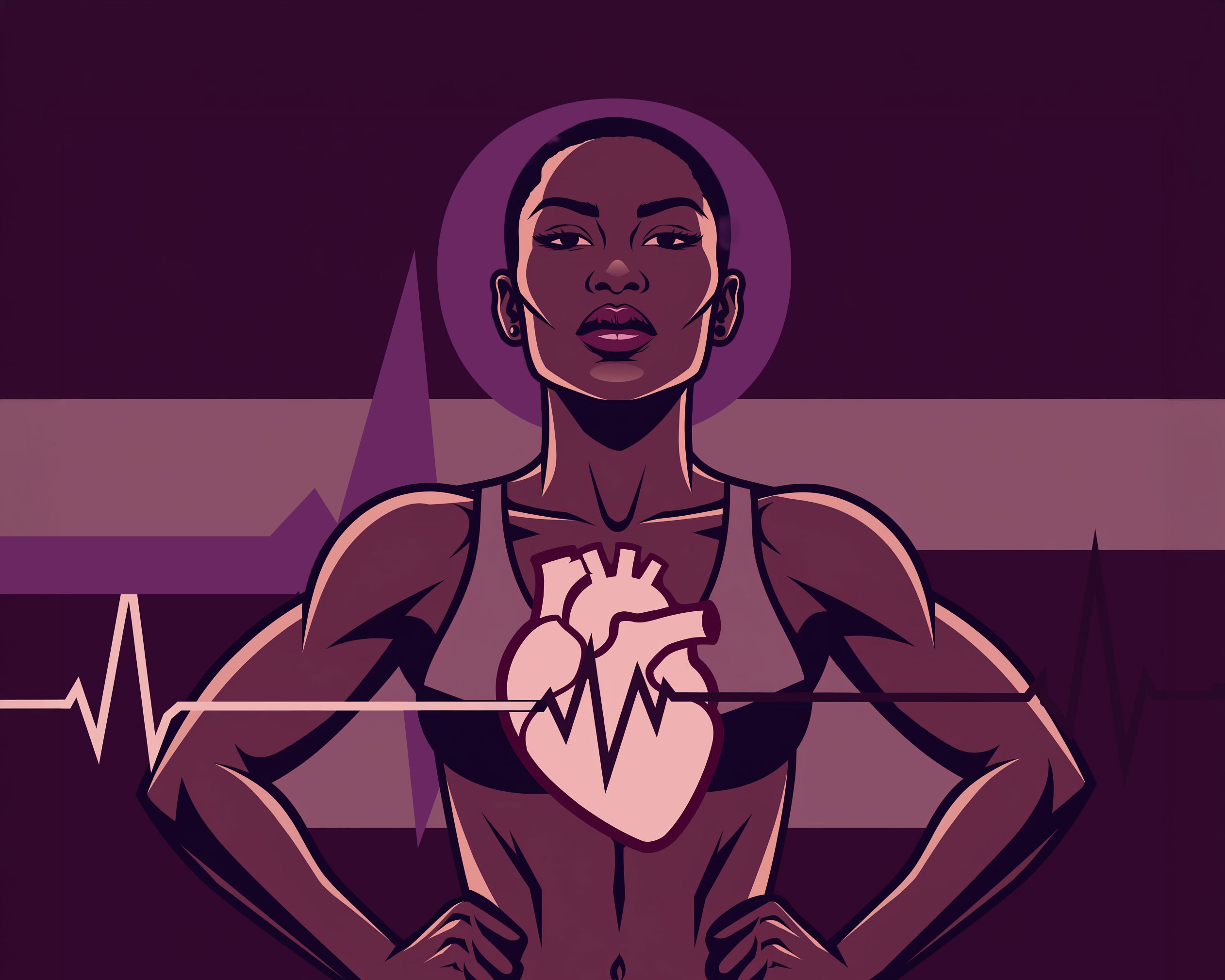
The Challenge
Cardiovascular disease is the leading cause of death for women in the United States, yet it remains persistently misunderstood as a man’s disease. Women’s cardiac symptoms frequently differ from the classic male presentation — less “crushing chest pain,” more fatigue, nausea, shortness of breath, and jaw or back pain. These atypical presentations are routinely missed or dismissed.
Women are also more likely to have microvascular disease — diffuse narrowing of the small vessels supplying the heart — which standard angiography frequently misses. This means women often receive a “clear” result on the dominant diagnostic test while experiencing real, dangerous cardiac dysfunction.
The Research Gap
Cardiovascular clinical trials have historically enrolled more men than women. Dosing protocols, risk calculators, and treatment guidelines developed from male-dominant data do not translate cleanly to female physiology. Women metabolize cardiac medications differently; hormonal factors across the lifespan — from contraception to menopause — interact with cardiovascular risk in ways the field is still characterizing.
The Policy Opportunity
Pregnancy complications — preeclampsia, gestational hypertension, gestational diabetes — predict future cardiovascular disease with clinical precision. These histories should be systematically integrated into long-term cardiac risk assessment. Insurance coverage for cardiac rehabilitation and preventive care should explicitly account for sex-specific risk factors. Sex-disaggregated outcome data should be required in cardiovascular drug approvals.
What We Track
We follow federal cardiovascular research funding, FDA approvals with sex-specific implications, clinical guideline updates from ACC/AHA, and legislative activity affecting prevention and cardiac care access.